Trading fees represent one of the most significant but often overlooked costs impacting cryptocurrency investment returns, particularly for active traders executing dozens or hundreds of transactions monthly. A seemingly modest 0.5% fee on both entry and exit positions compounds to 1% round-trip cost that, when multiplied across frequent trades, can consume substantial portions of trading profits or amplify losses. For investors in the United States and the United Kingdom, where cryptocurrency adoption continues accelerating, selecting exchanges with competitive fee structures has become as critical as choosing the right assets to trade. The difference between a high-fee platform charging 1-2% per transaction and a low-fee exchange offering 0.1% or less can mean thousands or even tens of thousands of dollars annually for moderately active traders.
The cryptocurrency exchange landscape has evolved dramatically since Bitcoin’s early days, when traders had limited options and accepted whatever fees platforms charged. Today’s competitive marketplace features dozens of reputable exchanges battling for market share through various strategies, including reduced fees, loyalty rewards programs, volume-based discounts, and native token utilities that provide additional savings. However, fees represent only one dimension of exchange selection—security track records, regulatory compliance, available trading pairs, liquidity depth, user interface quality, and customer support all factor into a comprehensive platform evaluation.
This detailed analysis examines the cryptocurrency exchanges offering the most competitive fee structures for global traders while maintaining the security standards and regulatory compliance necessary for sustainable long-term use. We’ll explore different fee models, calculate real-world cost comparisons across trading scenarios, identify strategies for minimising fees through tier systems and native tokens, and provide actionable guidance for selecting the optimal exchange based on individual trading patterns and jurisdiction-specific considerations.
Understanding Cryptocurrency Exchange Fee Structures
Before evaluating specific platforms, understanding the various fee models cryptocurrency exchanges employ enables informed comparison and strategic selection based on trading behaviour patterns.
Most centralised exchanges charge trading fees as a percentage of transaction value, typically ranging from 0.04% to 0.5% or higher depending on the platform, trading volume, and fee tier. These maker-taker models differentiate between orders that add liquidity to the order book (maker orders) and orders that remove liquidity by matching existing orders (taker orders). Makers typically receive lower fees or even rebates as incentives for providing liquidity, while takers pay slightly higher fees for immediate execution.
The distinction between maker and taker fees materially impacts costs for different trading strategies. Market orders that execute immediately against existing order book liquidity always incur taker fees. Limit orders placed below the current market price (for buys) or above the current market price (for sells) that sit in the order book waiting for execution qualify as maker orders if they execute without immediately matching. Traders using primarily market orders for immediate execution will pay consistently higher effective fees than those patient enough to use limit orders and capture maker rates.
Volume-based fee tiers create progressive discounts as traders increase their 30-day trading volume, with the most aggressive traders accessing substantially reduced fees. A trader executing $1,000 monthly might pay 0.25% fees, while someone trading $10 million monthly could pay as little as 0.02%—a 92% fee reduction based purely on volume. Understanding these tier structures and calculating whether your trading volume justifies selecting platforms with better high-volume discounts versus those offering lower base rates for casual traders proves essential for cost optimisation.
Deposit and withdrawal fees add another layer of cost consideration. While most exchanges offer free cryptocurrency deposits, withdrawal fees for moving assets off the platform vary dramatically. Some platforms charge fixed fees per withdrawal regardless of amount—for instance, charging 0.0005 BTC to withdraw Bitcoin regardless of whether you’re withdrawing 0.01 BTC or 10 BTC. Others charge percentage-based fees or dynamically adjust withdrawal fees based on network congestion. These fees can be particularly significant for traders who regularly move assets between exchanges or into cold storage.
Fiat deposit and withdrawal fees for traditional currency transactions also vary substantially. Some platforms offer free bank transfers or ACH deposits while charging for credit card purchases or international wire transfers. UK traders using faster payment systems typically enjoy free or low-cost GBP deposits, while US traders may face fees for certain deposit methods. Understanding these costs prevents unexpected expenses when moving fiat currency in and out of cryptocurrency positions.
Binance: Global Market Leader with Competitive Fees
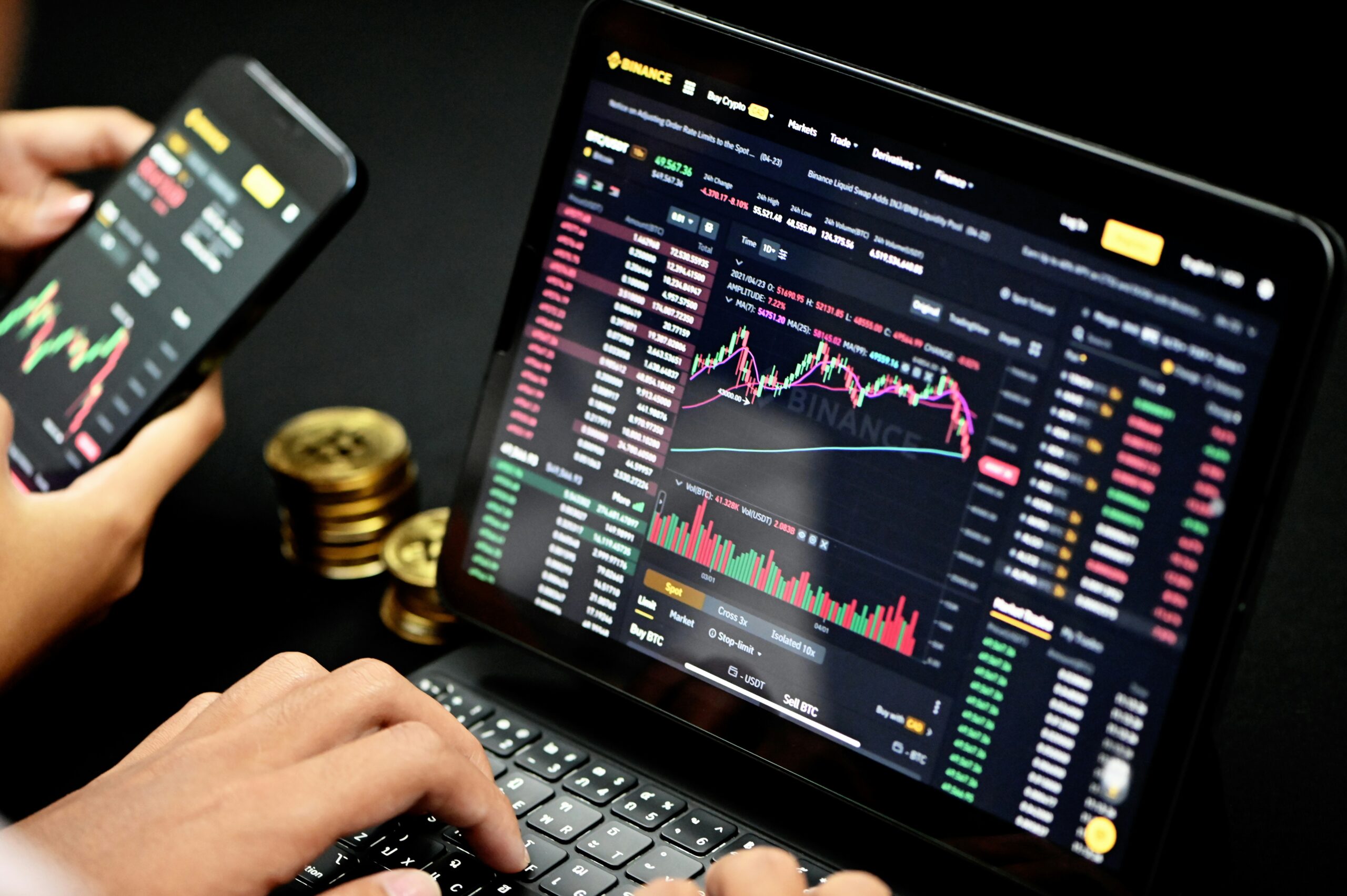
Binance has established itself as the world’s largest cryptocurrency exchange by trading volume, offering one of the most comprehensive trading platforms with competitive fee structures that have attracted over 100 million registered users globally. The platform’s standard spot trading fee starts at 0.1% for both makers and takers, which already undercuts many competitors, but drops substantially through volume-based tier systems and BNB token utility.
The fee structure becomes particularly attractive for traders holding and using BNB, Binance’s native utility token. Users who opt to pay trading fees in BNB receive an additional 25% discount, reducing the effective 0.1% fee to 0.075%. This discount mechanism has driven significant demand for BNB while providing tangible value to holders beyond speculative appreciation. Combined with volume-based discounts, the most active Binance traders can achieve fees as low as 0.012% for makers and 0.024% for takers—among the absolute lowest rates available anywhere in the industry.
Binance’s VIP tier structure rewards trading volume with progressively lower fees across multiple levels. Reaching VIP 1 status requires 30-day trading volume of at least $1 million or holding at least 50 BNB, which reduces fees to 0.09% taker and 0.09% maker before BNB discount. The highest VIP 9 tier, requiring $200 million in 30-day volume or 11,000 BNB holdings, offers 0.012% maker and 0.024% taker fees. This tiered system ensures that everyone, from casual investors to professional trading operations,s can access appropriate fee rates.
However, Binance’s regulatory challenges in certain jurisdictions create complications for some traders. The platform has faced regulatory scrutiny in the United States, leading to the creation of Binance. US as a separate entity with different fee structures and more limited offerings. UK regulators have similarly imposed restrictions on certain Binance activities. Traders in these markets must verify their access to the full Binance platform versus restricted versions that may offer less competitive fees or limited functionality.
Withdrawal fees on Binance vary by cryptocurrency and are periodically adjusted based on network conditions. While generally competitive, traders should verify current withdrawal fee schedules for their specific assets as these can significantly impact profitability for strategies involving frequent movements between platforms. Binance offers occasional promotional periods with reduced or zero withdrawal fees for specific cryptocurrencies, creating opportunities for cost-conscious transfers.
Kraken: Security-Focused Exchange with Transparent Fees
Kraken has built a reputation as one of the most secure and transparent cryptocurrency exchanges, particularly popular among traders in the United States and Europe who prioritise regulatory compliance and institutional-grade security. The platform’s fee structure starts at 0.16% taker and 0.26% maker for spot trading at the lowest volume tier, which appears less competitive than Binance initially but becomes progressively attractive as volume increases.
The fee schedule drops significantly through Kraken’s volume-based tier system, with the highest tier (requiring $10 million+ in 30-day volume) offering 0% maker fees and 0.10% taker fees. This maker rebate structure appeals particularly to professional traders and market makers who can consistently place limit orders that add liquidity to Kraken’s order books. The ability to achieve zero-fee trading through maker orders represents one of Kraken’s most compelling features for high-volume participants.
Kraken Pro, the platform’s advanced trading interface, provides access to these competitive fees along with sophisticated charting tools, order types, and margin trading capabilities. The distinction between the basic Kraken platform and Kraken Pro confuses some new users, but understanding that identical fees apply to both interfaces, while Pro offers enhanced functionality, guides appropriate platform selection for different experience levels.
Deposit fees on Kraken vary by method and currency, with cryptocurrency deposits being free while some fiat deposit methods incur charges. US dollar deposits via wire transfer are free, and UK traders can deposit GBP through faster payment systems without fees. However, certain deposit methods, including credit cards, face percentage-based fees. Withdrawal fees similarly vary—cryptocurrency withdrawals incur network fees that Kraken adjusts periodically, while fiat withdrawals have different fee structures depending on method and currency.
Kraken’s regulatory compliance and long operational history without major security breaches provide peace of mind that justifies potentially higher fees for some traders. The exchange maintains robust reserves, undergoes regular proof-of-reserves attestations, and operates with licenses in multiple jurisdictions, including the United States and the United Kingdom. For traders who prioritise security and regulatory legitimacy over absolute minimum fees, Kraken represents an optimal balance.
OKX: Asian Market Leader with Global Expansion
OKX, formerly known as OKEx, has emerged as one of the largest cryptocurrency exchanges globally, with particular strength in Asian markets but increasing presence among international traders. The platform offers competitive fee structures starting at 0.08% taker and 0.08% maker for spot trading, immediately undercutting many competitors’ base rates.
The fee structure becomes even more attractive through OKX’s VIP tier system and native OKB token utility. Traders can reduce fees by up to 25% when paying with OKB tokens, similar to Binance’s BNB discount model. Combined with volume-based discounts, professional traders can achieve fees as low as 0.015% maker and 0.03% taker—competitive with the lowest rates available anywhere in the industry.
OKX’s unified trading account system allows seamless capital movement between spot, margin, futures, and options trading without explicit transfers between sub-accounts. This integration streamlines trading operations and reduces friction for multi-strategy traders. The platform also offers one of the most comprehensive selections of cryptocurrency trading pairs, derivatives products, and DeFi integrations available on any centralised exchange.
Regulatory considerations for OKX vary by jurisdiction. While the platform serves global traders, it has faced restrictions in certain markets, including the United States. Traders should verify their access to the full OKX platform versus any geographically restricted versions. The exchange has invested heavily in regulatory compliance and licensing in various jurisdictions to expand its accessible market.
Withdrawal fees on OKX are generally competitive and periodically adjusted based on network conditions. The platform offers promotional periods with reduced withdrawal fees for specific cryptocurrencies, creating strategic opportunities for fee-conscious asset movements. OKX’s deep liquidity across major trading pairs ensures that large orders can execute without significant slippage, an important consideration beyond explicit fee percentages.
Bybit: Derivatives Specialist with Competitive Spot Trading
Bybit initially established its reputation as a derivatives-focused exchange offering cryptocurrency perpetual contracts and futures, but has expanded into spot trading with highly competitive fee structures. The platform’s spot trading fees start at 0.1% for both makers and takers, matching Binance’s base rate, with volume-based discounts reducing fees to as low as 0.01% maker and 0.02% taker for the highest VIP tier.
The unified trading account on Bybit allows capital to serve as collateral across spot, derivatives, and other products simultaneously, maximising capital efficiency. This design appeals particularly to sophisticated traders who employ multi-strategy approaches incorporating both spot and derivatives positions. The ability to use the same capital for multiple purposes without explicit segregation streamlines operations and reduces idle capital.
Bybit’s derivatives offerings remain among its strongest features, with deep liquidity in perpetual contracts for major cryptocurrencies and competitive funding rates. Traders who primarily focus on derivatives while occasionally engaging in spot trading may find Bybit’s integrated platform more convenient than maintaining accounts across multiple specialised exchanges. The derivatives fee structure similarly offers competitive rates starting at 0.02% maker and 0.055% taker.
Regulatory compliance and geographical restrictions vary for Bybit, with the platform serving international traders but facing limitations in certain jurisdictions, including the United States. UK traders generally enjoy full access to Bybit’s features, though regulatory landscapes continue evolving. Prospective users should verify current access rights for their specific jurisdiction before committing to the platform.
Withdrawal fees and processes on Bybit are generally efficient, with periodic promotions offering reduced or zero fees for specific cryptocurrencies. The platform’s focus on trader experience extends to fast withdrawal processing times and responsive customer support, factors that impact overall trading experience beyond pure fee percentages.
MEXC: Emerging Exchange with Aggressive Fee Competition
MEXC has grown rapidly by offering extremely competitive fee structures and listing new tokens faster than most established exchanges. The platform’s spot trading fees start at 0% maker and 0% taker for the lowest tier when using MX token for fee payment, representing one of the most aggressive fee structures in the industry. Even without MX token discounts, base fees of 0.2% remain competitive.
The zero-fee trading model attracts high-frequency traders and market makers who can substantially reduce costs compared to platforms charging even modest percentage fees. However, traders should understand that zero-fee trading typically requires either holding significant MX token balances or achieving certain trading volume thresholds. The specific requirements and tier structures warrant careful examination to ensure eligibility for advertised rates.
MEXC’s rapid listing of new tokens provides access to emerging projects often before they appear on major exchanges like Binance or Coinbase. This early access creates opportunities for traders seeking exposure to new projects, though it also increases risk exposure to potentially low-quality or scam projects. The platform’s due diligence standards appear less stringent than those of more established exchanges, requiring traders to exercise greater caution with research and risk management.
Regulatory compliance for MEXC remains less developed than major established exchanges, with the platform operating more in regulatory grey areas in certain jurisdictions. Traders should consider this regulatory uncertainty as a risk factor when deciding whether aggressive fee savings justify potential compliance concerns. The platform’s operational history is shorter than that of established competitors, providing less track record for assessing security and reliability.
Withdrawal fees on MEXC vary by cryptocurrency and are generally competitive, though the platform’s focus on numerous altcoins means withdrawal fees for obscure tokens may be higher than for mainstream assets. Traders should verify withdrawal fee schedules for their specific trading assets to ensure complete cost understanding.
Fee Optimisation Strategies for Smart Traders
Beyond selecting the right exchange, implementing strategic approaches to fee minimisation can substantially reduce trading costs over time. Understanding and utilising these strategies separates cost-conscious professional traders from those who accept default fee structures.
Volume consolidation on a single platform rather than fragmenting trading across multiple exchanges helps traders reach higher VIP tiers and access reduced fees more quickly. A trader splitting $100,000 monthly volume across three exchanges might pay 0.2% fees on each platform, while consolidating that volume on one exchange could qualify for 0.1% or lower fees through tier progression. The exception to this consolidation strategy occurs when specific trading pairs or assets are only available on particular platforms, necessitating multi-exchange strategies.
Native token holding strategies provide significant fee reductions on platforms that offer discounts for using their tokens. Buying and holding appropriate amounts of BNB, OKB, MX, or other native tokens to qualify for fee discounts can save substantially more than the tokens cost, particularly for active traders. However, this strategy introduces exposure to native token price volatility, creating risk if token values decline significantly. Traders should calculate break-even points where fee savings exceed potential token depreciation losses.
Maker order optimisation through limit orders instead of market orders can reduce fees by 50% or more on platforms with maker-taker differentials. While this requires patience and accepting that orders may not fill immediately, the fee savings compound significantly for active traders. Sophisticated traders use algorithmic trading to place limit orders near but not at the current market price, maximising the probability of maker execution while minimising waiting time.
Strategic withdrawal timing to take advantage of promotional periods offering reduced fees can save hundreds or thousands of dollars annually for traders who regularly move assets between platforms or into cold storage. Following exchange announcements and timing large withdrawals for promotional windows rather than executing ad-hoc withdrawals demonstrates cost consciousness that distinguishes professional from casual traders.
Referral programs and affiliate bonuses offered by most exchanges provide additional fee reductions or kickbacks for traders who refer others to platforms. While not appropriate for everyone, traders who educate others about cryptocurrency may find that referral income offsets their own trading costs. Some exchanges offer lifetime percentage kickbacks on trading fees paid by referred users, creating passive income streams from successful referrals.
Security and Regulatory Considerations Beyond Fees
While fee minimisation rightfully concerns cost-conscious traders, selecting exchanges solely based on the lowest fees without considering security, regulatory compliance, and operational reliability creates risks that can far exceed any fee savings.
Exchange security track records matter enormously, as the history of cryptocurrency is littered with exchange hacks resulting in billions in customer losses. Mt. Gox’s 2014 collapse, the 2018 Coincheck hack, losing $530 million, and numerous other incidents demonstrate that keeping substantial funds on exchanges carries inherent risk regardless of fee advantages. Evaluating exchanges’ security measures, including cold wallet storage percentages, insurance coverage, multi-signature requirements, and historical security performance, should factor heavily into platform selection.
Regulatory compliance and licensing vary dramatically across exchanges and directly impact long-term operational sustainability. Platforms operating in regulatory grey areas or facing enforcement actions from securities regulators face existential risks that could result in sudden shutdowns, asset freezes, or other events devastating to users. Coinbase and Kraken’s extensive regulatory licensing provides confidence in continued operation that less compliant platforms cannot match, potentially justifying modestly higher fees for risk-averse traders.
Jurisdictional restrictions mean that certain exchanges cannot legally serve traders in specific countries or states. US traders face the most limited options due to strict securities regulations, with platforms like Binance. US offering reduced functionality compared to international versions. UK traders generally enjoy broader access but should verify that chosen platforms comply with Financial Conduct Authority requirements to ensure legal protection and recourse in disputes.
Liquidity depth beyond published fees impacts actual trading costs through slippage—the difference between expected and executed prices for large orders. An exchange offering 0.05% fees but thin order books where a $50,000 order moves price by 0.5% delivers worse execution than a platform charging 0.1% fees with deep liquidity, allowing large orders to execute at precise prices. Traders executing substantial order sizes should prioritise liquidity alongside fees.
Conclusion: Optimising Exchange Selection for Your Trading Profile
Cryptocurrency trading fees represent controllable costs that active traders can minimise through strategic exchange selection, tier optimisation, and smart execution practices. The platforms examined—Binance, Kraken, OKX, Bybit, and MEXC—each offer competitive fee structures with different advantages for various trader profiles. Casual investors making occasional trades may prioritise simplicity and security over absolute minimum fees, making Kraken or Coinbase appropriate despite modestly higher costs. Professional traders executing substantial volume should pursue VIP tiers and maker rebates available on Binance or OKX to minimise cost impact on returns.
The optimal exchange selection depends on individual circumstances, including trading volume, geographic location, asset preferences, and risk tolerance for regulatory uncertainty. US traders face more limited options than their international counterparts, while UK traders generally enjoy broader access across most major platforms. Diversifying across multiple exchanges reduces platform-specific risk while potentially sacrificing volume consolidation benefits for fee tier progression.
Fee structures evolve continuously as exchanges compete for market share through promotional offers, tier restructuring, and native token utilities. Staying informed about current fee schedules rather than relying on outdated information ensures optimal platform selection. Most exchanges publish detailed fee schedules on their websites, and comparing these against personal trading patterns reveals true cost differences more accurately than comparing advertised base rates.
Beyond fees, comprehensive exchange evaluation considers security track records, regulatory compliance, available trading pairs, liquidity depth, user interface quality, customer support responsiveness, and additional services like staking, lending, or derivatives trading. The lowest-fee exchange that lacks essential features or faces regulatory challenges may prove less valuable than a modestly higher-cost platform providing comprehensive services with legal clarity.
For traders serious about cryptocurrency as a long-term investment or income strategy, investing time in fee optimization through exchange selection, tier progression, and strategic execution delivers returns that compound over months and years. The difference between 0.25% and 0.05% fees may seem trivial on a single trade but represents 80% cost reduction that, multiplied across hundreds of trades annually, can mean thousands of dollars in preserved capital. Treat fee minimization as seriously as asset selection and technical analysis—it’s one of the few trading variables entirely within your control.
This article is for informational purposes only and does not constitute financial or investment advice. Cryptocurrency trading carries substantial risk. Always conduct thorough research and consider consulting qualified financial advisors before making trading decisions.
Leave a Reply