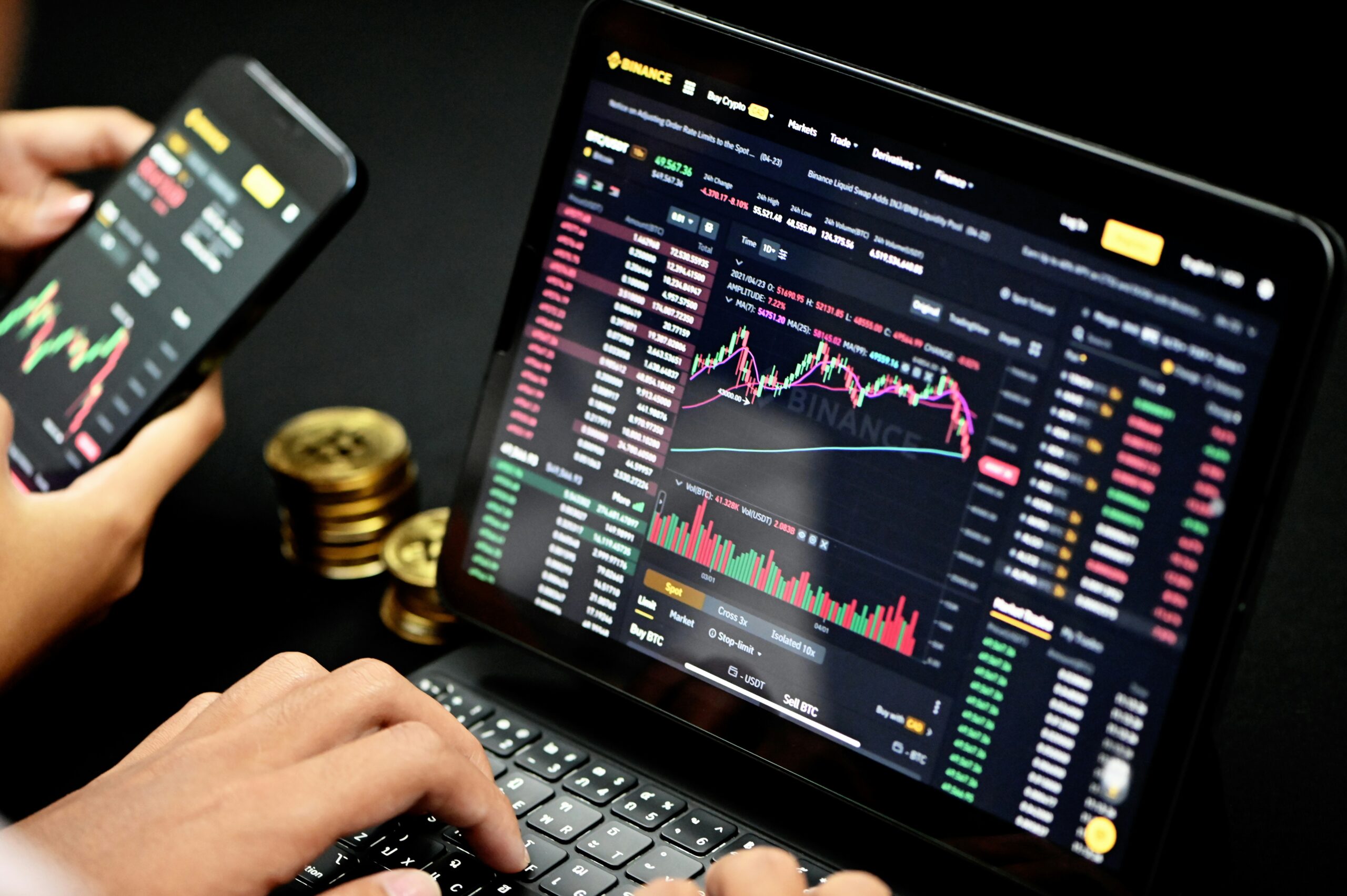
The cryptocurrency market’s relatively small size compared to traditional financial markets, combined with minimal regulation and 24/7 trading across fragmented exchanges, creates an environment where large holders—commonly called “whales”—can exert disproportionate influence over price movements that devastate unprepared retail traders. In the United States and the United Kingdom, where cryptocurrency adoption continues accelerating, understanding whale manipulation tactics has become essential for protecting capital and avoiding the psychological traps that cause retail investors to buy tops and sell bottoms. A single Bitcoin whale controlling 10,000 BTC possesses roughly $650 million in purchasing power that, when deployed strategically across exchanges with carefully timed orders, can trigger cascading effects through automated trading systems and retail psychology that amplify initial moves by multiples.
The asymmetric information advantage whales enjoy extends beyond simply having more capital—they often possess insider knowledge about upcoming listings, partnerships, regulatory developments, or technical upgrades before public announcements. They understand order book dynamics, can track retail sentiment through social media and trading data, and coordinate through private channels in ways that individual traders cannot. This combination of capital supremacy, information advantage, and strategic coordination creates a systematically uneven playing field where retail traders function as exit liquidity for sophisticated whale operations unless they develop awareness of manipulation patterns and defensive trading strategies.
This comprehensive analysis examines the specific tactics whales employ to manipulate cryptocurrency markets, the psychological mechanisms that make retail traders vulnerable to these manipulations, real-world examples of whale operations across Bitcoin and altcoin markets, and, most importantly, the strategic frameworks that allow informed traders to protect themselves and potentially profit by recognizing manipulation patterns before they fully play out. Rather than promoting conspiracy theories or encouraging paranoia, we’ll focus on documented manipulation tactics backed by blockchain data analysis and provide actionable guidance for trading in an environment where whales are a permanent reality.
Understanding Crypto Whales and Market Structure
Cryptocurrency whales are individuals, institutions, or coordinated groups controlling substantial amounts of specific cryptocurrencies—typically enough to materially impact market prices through their trading activity. The definition of “whale” varies by asset, with Bitcoin whales generally controlling 1,000+ BTC while altcoin whales might control 1-10% of a token’s circulating supply. Unlike traditional financial markets, where large institutional trades are regulated, reported, and executed through intermediaries that minimize market impact, cryptocurrency trading allows whales to operate with relative anonymity while maximizing price impact through unregulated exchanges.
The blockchain’s transparency paradoxically both exposes and enables whale activity. On-chain analysis tools from companies like Glassnode, CryptoQuant, and Whale Alert track large transactions and wallet accumulation patterns, providing retail traders with some visibility into whale movements. However, whales have adapted through techniques including splitting holdings across multiple wallets, using privacy-enhancing protocols, and coordinating off-chain before executing on-chain transactions. Additionally, most cryptocurrency trading volume occurs on centralized exchanges where order book data is opaque and only executed trades become publicly visible, giving whales information advantages about pending orders that retail traders cannot access.
Market structure characteristics that amplify whale influence include relatively thin liquidity compared to traditional markets, fragmented liquidity across dozens of exchanges, high retail trader participation susceptible to emotional decision-making, and extensive leverage availability that magnifies price movements through liquidation cascades. Bitcoin’s total market capitalization approaching $1.3 trillion seems substantial, but the daily trading volume of $20-40 billion across all exchanges means that several billion dollars deployed strategically can create significant price moves, especially during lower-volume weekend periods or holiday trading when retail participation decreases.
The concentration of cryptocurrency holdings remains extreme despite Bitcoin’s multi-year existence. Estimates suggest that approximately 2% of Bitcoin addresses control over 70% of all Bitcoin, though this understates distribution somewhat as exchanges’ hot wallets appear as single addresses holding many users’ funds. For altcoins, concentration is typically far worse, with project teams, early investors, and venture capital firms often controlling 40-60% of token supply at launch, creating structural conditions where coordinated selling can devastate prices regardless of retail buying interest.
Exchange market making and proprietary trading desks represent another category of whale that retail traders often overlook. Major exchanges like Binance, Coinbase, and Kraken facilitate billions in daily volume while also operating trading desks that can access privileged information about order flow, liquidation levels, and customer positioning. While reputable exchanges implement ethical walls separating these operations, the structural conflict of interest and information asymmetry create advantages that pure market makers exploit legally, while more questionable operations potentially exploit unethically.
Common Whale Manipulation Tactics
Whales employ various manipulation tactics, each exploiting specific aspects of market structure, retail psychology, or technical trading systems to generate profits at retail traders’ expense. Understanding these tactics allows recognition of manipulation in real-time rather than only in hindsight after losses have occurred.
Pump and Dump Schemes
The classic pump and dump represents the most brazen manipulation tactic, particularly common in low-cap altcoin markets with minimal liquidity. Whales accumulate positions quietly during periods of low attention, often purchasing 5-15% of the circulating supply across multiple wallets over weeks or months. Once positioned, they initiate the pump phase through coordinated buying that drives price up 50-200% rapidly, triggering momentum indicators, technical breakouts, and social media attention. Retail traders experiencing FOMO (fear of missing out) rush to buy the rallying token, providing the liquidity whales need to distribute their accumulated holdings at inflated prices.
The dump phase begins once retail buying enthusiasm peaks, identifiable through maximum social media mentions, search traffic, and exchange volume. Whales systematically sell their holdings, often using sell walls (large sell orders) at key resistance levels to cap upside and create distribution opportunities across slightly declining prices. The pump concludes with price typically declining 60-90% from peak as retail holders experience panic selling, and the absence of whale buying support allows natural price discovery to resume at levels reflecting actual demand.
Blockchain analysis frequently reveals these schemes after the fact, showing massive accumulation by a small number of wallets before pumps, distribution during price advances, and whales exiting positions completely near peaks. The 2021 meme coin mania featured countless pump and dump schemes where tokens gained 10,000%+ before collapsing to near-zero as whale orchestrators extracted hundreds of millions from retail participants. Regulatory action against pump and dump schemes has increased, but enforcement challenges in decentralized, pseudonymous markets mean these manipulations continue proliferating.
Spoofing and Layering
Spoofing involves placing large buy or sell orders with no intention of execution, designed purely to manipulate price perception and trigger reactions from other traders. A whale might place a 500 BTC buy order significantly below the current market price, creating the appearance of strong support that encourages retail traders to buy, anticipating that the large order will prevent downside. Once retail buying pushes price higher, the whale cancels the fake buy order and sells into the retail-driven rally, profiting from the temporary price increase their fake order induced.
Layering extends spoofing through multiple fake orders at various price levels, creating the illusion of deep liquidity and strong directional pressure. A whale executing a layering strategy to sell their holdings might place numerous large buy orders below market price while simultaneously placing their actual sell orders at market. The fake buy orders give confidence to other traders that the downside is limited, encouraging them to buy into the whale’s real sell orders. Once the whale’s distribution completes, they cancel all fake buy orders, often causing a rapid price decline as the artificial support disappears.
These tactics are illegal in regulated securities markets but persist in cryptocurrency due to limited oversight and enforcement. High-frequency trading firms and sophisticated market makers employ algorithmic variants that execute thousands of orders per second, making spoofing detection and prevention extremely difficult. Exchange order books displaying large orders should be viewed skeptically, as substantial portions may represent manipulation rather than genuine trading interest. Flash crashes and sudden reversals frequently result when layered fake orders cancel simultaneously, removing the illusion of support or resistance that encouraged retail positioning.
Stop Loss Hunting and Liquidation Cascades
Stop loss hunting exploits retail traders’ predictable behavior of placing stop loss orders at obvious technical levels like recent lows, round numbers, or common Fibonacci retracement levels. Whales, understanding that concentrated stop losses create temporary selling pressure when triggered, deliberately push prices down to these levels through coordinated selling. The triggered stops create additional selling that drives price lower still, often triggering margin liquidations that add forced selling pressure in a cascading fashion.
This manipulation is particularly effective because it requires relatively little capital to initiate compared to the selling pressure that stop loss triggers generate. A whale might sell $10 million worth of Bitcoin to push the price down 3-5%, triggering stop losses that add another $50 million in selling pressure, which drives the price down an additional 5-10%. The whale then repurchases their position at lower prices, potentially buying more than they initially sold by absorbing the panic selling that their manipulation induced. Retail traders setting stops at obvious levels essentially create guaranteed buying opportunities for whales who can afford the temporary capital required to trigger stop cascades.
Leverage trading amplifies this dynamic catastrophically. Cryptocurrency exchanges offering 10x, 25x, 50x, or even 125x leverage create conditions where 2-4% adverse price moves liquidate positions entirely. Whales can identify approximate leverage liquidation levels through order book analysis and public interest metrics, then strategically push prices to trigger maximum liquidations. The 2021 “Black Wednesday” event saw over $10 billion in liquidations occur within 24 hours as Bitcoin dropped from $58,000 to $42,000, largely driven by cascading liquidations that whales potentially triggered intentionally through initial selling at key resistance.
Wash Trading and Volume Manipulation
Wash trading involves simultaneously buying and selling the same asset, creating artificial volume and price movement without genuine economic exchange. Cryptocurrency exchanges, particularly those competing for market share or listing fees, have been documented engaging in wash trading to inflate volume statistics and attract traders seeking liquidity. Whales also employ wash trading to create the appearance of increased interest in specific tokens, triggering momentum algorithms and attracting retail attention despite no actual change in ownership distribution.
The Bitwise report to the SEC demonstrated that approximately 95% of Bitcoin trading volume on unregulated exchanges represented wash trading or other fake volume, with only 5% reflecting genuine economic transactions. While major regulated exchanges like Coinbase show more legitimate volume patterns, the cryptocurrency market broadly contains substantial fake volume that distorts market cap rankings, liquidity perceptions, and trading signals that retail investors rely upon for decision-making.
Detecting wash trading requires examining trade patterns for anomalies like identical buy and sell sizes occurring repeatedly, volume spikes without corresponding price movement, or volume concentration during specific time periods. Exchanges with suspiciously high volume relative to user base, website traffic, or order book depth likely engage in volume manipulation. Relying on volume as confirmation for breakouts or reversals becomes dangerous when substantial volume is artificial, leading to false signals that whales exploit by taking the opposite side of retail trades, their fake volume induced.
Recognizing Whale Activity in Real-Time
While whales possess inherent advantages, certain signals allow observant traders to identify potential manipulation before completing its full cycle, creating opportunities to avoid traps or potentially profit alongside whale movements rather than becoming their exit liquidity.
Unusual order book activity provides the earliest warning signs. Sudden appearance of massive buy or sell walls that didn’t exist moments prior, especially at psychologically significant levels, often represents spoofing or preparation for large movements. Order book imbalance where one side shows substantially greater depth than historical norms may indicate whales positioning for moves in the opposite direction—a large buy wall might precede selling as whales attempt to create false support perception.
On-chain metrics from blockchain analysis platforms reveal whale accumulation and distribution patterns. Large transactions moving from exchanges to private wallets (often interpreted as cold storage) suggest whales accumulating and removing supply from markets, potentially bullish signal. Conversely, large movements from private wallets to exchanges typically precede selling as whales prepare to liquidate holdings. The timing and magnitude of these flows, compared to historical patterns, help distinguish routine custody movements from meaningful position changes.
Exchange inflow and outflow data tracked by CryptoQuant, Glassnode, and similar services show net movement of cryptocurrency onto or off exchanges. Sustained exchange outflows suggest holders are removing coins from trading platforms, reducing available supply and often preceding price appreciation as selling pressure decreases. Heavy exchange inflows warn that holders are preparing to sell, increasing supply available for trading and potentially preceding corrections. However, interpreting these flows requires context—inflows might also represent arbitrage traders or institutional buyers using exchanges for large acquisitions.
Social media sentiment manipulation often accompanies whale operations. Coordinated shilling campaigns across Twitter, Reddit, Telegram, and Discord, where multiple accounts simultaneously promote specific tokens frequently precede or accompany pump and dump schemes. Influencers with large followings receiving payment to promote tokens they don’t genuinely believe in provide exit liquidity opportunities for whales who paid for the promotion. Extreme positive sentiment reaching a fever pitch often marks distribution phases where whales sell into retail FOMO rather than opportunities to buy.
Correlation breakdown across cryptocurrency markets signals potential manipulation. When major altcoins move independently of Bitcoin despite historically following BTC’s directional moves, this divergence may indicate whale activity specific to those assets. If a token rallies 50% while Bitcoin and broader markets trade sideways or decline, investigating whether the move reflects genuine news/fundamentals versus potential manipulation becomes critical before entering positions.
Strategic Frameworks for Trading Among Whales
Rather than viewing whales as insurmountable obstacles, successful traders develop strategies that account for whale presence and potentially align with whale incentives rather than fighting against them.
Position sizing discipline prevents any single whale manipulation from causing catastrophic portfolio damage. Risking 1-2% of total capital per trade ensures that even complete losses from manipulation-induced stop hunting or rug pulls don’t destroy trading accounts. Whales specifically target overleveraged retail traders because margin calls and stop losses create the cascading liquidations that whales profit from. Trading smaller positions with lower or zero leverage removes you from the liquidity pool that whales target most aggressively.
Stop loss placement strategies should avoid obvious levels where whale hunting concentrates. Instead of placing stops at recent swing lows, round numbers, or common Fibonacci levels where stops cluster, use logical invalidation levels based on market structure that may be less obvious. Give positions room to breathe through normal volatility rather than placing stops so tight that small manipulative moves trigger exits. Alternatively, mental stops where you monitor positions and manually exit at predetermined levels avoid having stops visible in order books, where whales can identify concentration points.
Following whale accumulation patterns rather than fighting them aligns your trading with the directional bias whales are establishing. When on-chain analysis reveals whales accumulating Bitcoin during bear market capitulation, adding to positions alongside whale accumulation provides better risk/reward than attempting to counter-trade. Conversely, when whale distribution becomes evident through exchange inflows and large wallet movements, reducing exposure or avoiding new longs respects that whales see more reason to sell than buy at current prices.
Liquidity analysis before entering positions prevents getting trapped in manipulated markets. Tokens with small market caps, low trading volume, and concentrated ownership by a few wallets carry extreme manipulation risk, as whales can move prices dramatically with relatively small capital. Restricting trading to assets with deep liquidity across multiple exchanges, broad distribution of holdings, and sufficient volume to execute trades at anticipated prices reduces vulnerability to whale manipulation. Bitcoin and Ethereum offer the most manipulation-resistant markets due to size and distribution, while micro-cap altcoins face constant whale manipulation.
Regulatory Landscape and Future Developments
Cryptocurrency market manipulation increasingly attracts regulatory attention as mainstream adoption brings more retail participants into markets where protections lag traditional finance significantly. Understanding the evolving regulatory landscape helps anticipate which manipulation tactics may face enforcement and how market structure might change.
The United States Securities and Exchange Commission and Commodity Futures Trading Commission have both pursued manipulation cases against cryptocurrency market participants, charging individuals and entities with pump and dump schemes, spoofing, and wash trading. The CFTC’s 2020 action against BitMEX’s operators for failing to prevent US customers from accessing their platform highlighted how exchanges facilitating manipulation face regulatory consequences. The SEC’s ongoing litigation against major exchanges regarding unregistered securities offerings and market manipulation will shape future compliance requirements.
The United Kingdom’s Financial Conduct Authority has similarly increased cryptocurrency oversight, requiring exchanges serving UK customers to register and implement anti-money laundering controls. The FCA’s restrictions on cryptocurrency derivatives sales to retail customers reflected concern about retail protection in manipulated markets, though this also limited legitimate hedging and trading tools. As regulatory frameworks mature, expect increased requirements for transparency, order book monitoring, and enforcement against obvious manipulation.
Market structure improvements through institutional infrastructure development may gradually reduce manipulation vulnerability. Regulated cryptocurrency ETFs, qualified custodians holding substantial assets, and traditional financial institutions offering cryptocurrency services all bring compliance standards that exclude most manipulation tactics. The growth of decentralized exchanges implementing transparent automated market makers rather than order books could reduce spoofing and front-running, though introduces different manipulation vectors through liquidity pool attacks.
Blockchain surveillance technology continues improving, making whale movements increasingly trackable and manipulation patterns more identifiable. As retail traders gain access to these analytics tools through platforms like Nansen, Arkham Intelligence, and DeBank, the information asymmetry whales enjoyed diminishes somewhat. However, whales adapt through more sophisticated techniques, including using privacy coins, chain-hopping, and coordination through encrypted communications, ensuring cat-and-mouse dynamics will persist.
Conclusion: Navigating Whale-Dominated Waters
Cryptocurrency markets will remain influenced by whale activity for the foreseeable future due to structural factors, including relatively small market size compared to traditional finance, concentrated ownership distribution, minimal regulation, and technological capabilities that enable manipulation tactics illegal in other markets. Rather than viewing this reality as a reason to avoid cryptocurrency trading entirely, informed participants can develop defensive strategies, recognize manipulation patterns, and occasionally profit alongside whale movements rather than becoming their exit liquidity.
The key mental shift involves abandoning the assumption of fair, efficient markets and instead operating with awareness that powerful actors can and will manipulate prices when profitable. This doesn’t require paranoia about every price move representing manipulation, but rather healthy skepticism about rally or sell-off sustainability, especially in lower-cap assets. Asking “who benefits from this price movement and what might be motivating it” before entering trades prevents falling for obvious manipulation setups.
Education represents your strongest defense against whale manipulation. Understanding the tactics discussed here—pump and dumps, spoofing, stop hunting, wash trading—allows pattern recognition when these strategies deploy. Following experienced traders who share on-chain analysis and manipulation warnings, monitoring blockchain data yourself through free tools, and maintaining awareness of market structure all contribute to developing the sophistication that separates manipulated retail traders from those who trade smart.
Ultimately, the presence of whales in cryptocurrency markets parallels market makers, institutional traders, and algorithmic systems in traditional finance—all represent well-capitalized, sophisticated actors that individual traders compete against. Success doesn’t require matching whale resources but rather understanding their tactics, avoiding their traps, respecting their ability to move markets, and occasionally identifying when following their lead provides better risk/reward than opposing them. Implement defensive position sizing, avoid obvious manipulation tactics, focus on liquid markets where manipulation is more difficult, and continuously educate yourself on evolving tactics as whales adapt to increasing retail sophistication.
The playing field in cryptocurrency markets will never be completely level, but knowledge, discipline, and strategic thinking allow retail traders to survive and potentially thrive despite operating in whale-dominated waters.
This article is for informational and educational purposes only and does not constitute financial or trading advice. Cryptocurrency markets carry substantial risk, including potential total loss of capital. Market manipulation remains a serious concern that investors should consider carefully when evaluating cryptocurrency exposure.
Leave a Reply